Reveal Your Online Potential: Specialist Organic SEO Services for Continuous Growth
In today's digital environment, businesses steadily comprehend the critical nature of organic SEO services. These approaches foster long-term development by improving online visibility and attracting targeted traffic without the need on paid ads. By emphasizing strategies like keyword research and high-quality content, brands can establish authority and trust. However, the nuances of effective organic SEO extend beyond mere visibility. Comprehending these elements could be the key to discovering untapped potential.
What Does Organic SEO Mean?
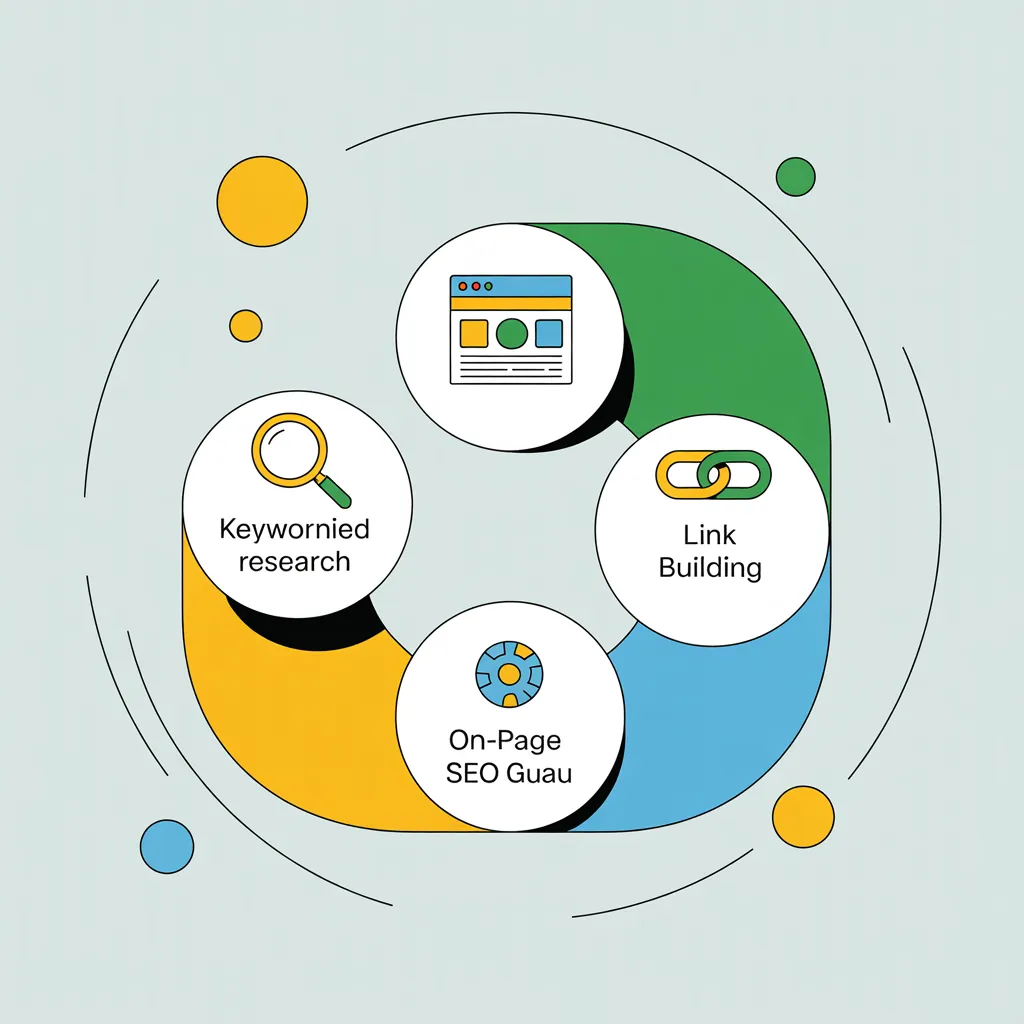
Organic SEO refers to the practice of optimizing a website to improve its visibility in search engine results without relying on paid advertising. This strategy includes various techniques designed to enhancing a site's relevance and authority. Key components include keyword research, on-page optimization, and backlink building.
Keyword research involves discovering search terms prospective clients use to find services or products. On-site optimization targets improving elements within the website, including content quality, meta tags, and site structure, to guarantee search engines practical advice can effortlessly crawl and index the site. Backlink acquisition requires acquiring links from reputable sites to establish authority and credibility.
How Does Organic SEO Drive Your Business Growth?
Harnessing the power of organic SEO is essential for businesses striving to flourish in a competitive digital landscape. By optimizing website content and structure for search engines, companies can boost their visibility and attract targeted traffic. This enhanced visibility generates higher organic search rankings, which are essential for creating leads and conversions.
Furthermore, organic SEO fosters enduring growth. Contrary to paid advertising, which stops producing results once funding ends, organic strategies create a lasting online presence. They enhance brand credibility and trust, as users often consider high-ranking sites as more credible.
In addition, organic SEO corresponds to evolving consumer behavior. As users more and more rely on search engines for information, businesses should adapt to stay relevant. By investing in organic SEO, companies can both reach a wider audience but also create meaningful connections with future customers, ultimately driving sustained business growth.
Top Strategies for Growing Website Authority
Creating website authority calls for a strategic approach that involves various essential tactics. First, securing high-quality backlinks from reputable sites is critical, as these endorsements signal credibility to search engines. Undertaking guest blogging on relevant platforms can facilitate these connections while enhancing visibility.
Second, optimizing on-page SEO elements, like title tags and meta descriptions, results in enhanced search rankings. Third, steady publication of high-quality and relevant content aids in establishing authority in a given niche, cultivating trust among audiences and search engines alike.
In addition, using social media platforms to disseminate content can generate traffic and enhance brand awareness.
In conclusion, observing analytics to gauge performance and adjusting strategies correspondingly provides continuous growth in authority. By implementing these strategies, businesses can successfully build their website authority, leading to better organic search performance and lasting online presence.
What Role Does Content Quality Play in SEO Success?
The quality of content significantly impacts SEO success, acting as a foundation for productive online strategies. Superior content attracts audiences, promoting longer visits and lower bounce rates, which are beneficial signals to search engines. When content is well-researched, informative, and applicable, it naturally includes keywords that match user intent, enhancing visibility in search results.
Additionally, original and valuable content is likely to attract more backlinks from authoritative sites, thus enhancing domain authority. Maintaining consistency in content quality develops trust and credibility, which are critical to building a loyal audience. Additionally, quality content typically promotes social sharing, thereby extending reach and engagement.
How Does User Experience Impact SEO?
User experience (UX) serves a critical function in influencing SEO outcomes, as it directly influences how visitors interact with a website. A flawless UX promotes user satisfaction, elevating the likelihood of longer site visits and lower bounce rates. Search engines, primarily Google, favor sites that provide valuable experiences, affecting their ranking algorithms.
Aspects such as page load speed, mobile responsiveness, and intuitive navigation are crucial for elevating UX. User-friendly websites prompt users to browse more content, which demonstrates quality to search engines. Additionally, user engagement metrics, such as time on page and interaction rates, are seen as indicators of relevance and authority.
Applying UX design principles not only benefits visitors but also improves organic search visibility. As a result, a thoroughly optimized user experience works alongside SEO methods, creating a win-win scenario for both users and website owners in the digital landscape.

Common Questions
How Long Before You See SEO Results?
In most cases, it takes three to six months to see measurable SEO results. Nevertheless, this timeframe can vary based on market competition, website age, and the effectiveness of applied strategies, necessitating patience and consistent optimization efforts.
What Costs Come With Organic SEO Services?
The fees connected with organic SEO services can vary considerably, typically ranging from a few hundred to several thousand dollars per month, depending on the agency's experience, the scope of work provided, and unique client goals.
Should I Handle SEO Myself or Hire a Professional?
Individuals can handle SEO on their own with adequate research and tools, but engaging an expert often yields enhanced results owing to their experience and knowledge. Finally, the decision depends on your skills, time, and goals.
How Frequently Should I Update My Website Content for SEO?
Updating website content every three to six month intervals is generally advisable for optimal SEO performance. Regular updates maintain site freshness, enhance user engagement, and signal to search engines that the content is timely and pertinent.
What Tools Are Best for Tracking SEO Performance?
Popular tools for tracking SEO performance include Google Analytics, SEMrush, Ahrefs, and Moz. These platforms offer insights into keyword rankings, backlinks, and website traffic, helping users analyze and optimize their SEO strategies efficiently.
Comments on “Hiring organic seo services for Small Businesses”